Researchers say people can become far better at identifying AI-generated faces when they receive focused training and immediate feedback.
A team involving the University of Aberdeen, Australian National University and researchers in Canada studied whether participants could learn to distinguish photographs of real people from synthetic faces created with StyleGAN3.
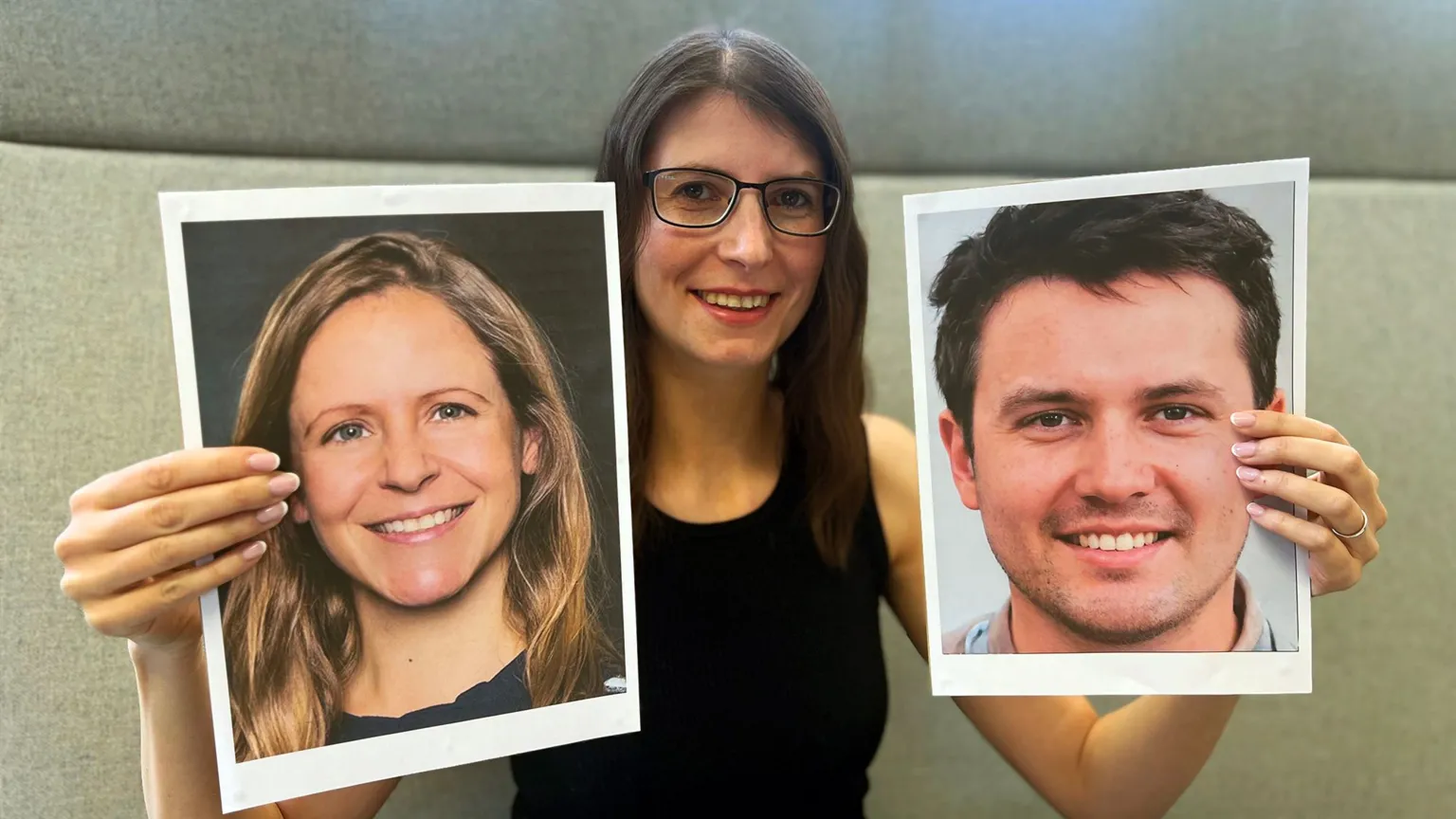
Participants were taught to notice six subtle perceptual qualities instead of relying on obvious defects such as extra fingers or mismatched earrings. Modern image generators have become much better at avoiding those simple mistakes.
After exposure to both real and generated faces—and being told which was which—typical accuracy rose from about 40% to 80%. Some participants approached 100% accuracy, according to the researchers.


The work matters because synthetic faces can be used in fraud, impersonation and political influence campaigns. Researchers caution that there may be no single reliable sign; improvement comes from repeated practice and developing sensitivity to a combination of visual characteristics.
Source: BBC News. Research led by Prof Amy Dawel and Dr Clare Sutherland.