Burnout may feel like a distinctly modern problem, but medieval writers described a remarkably similar state of exhaustion, confusion and loss of motivation. Their advice still echoes in today’s approaches to mental wellbeing.
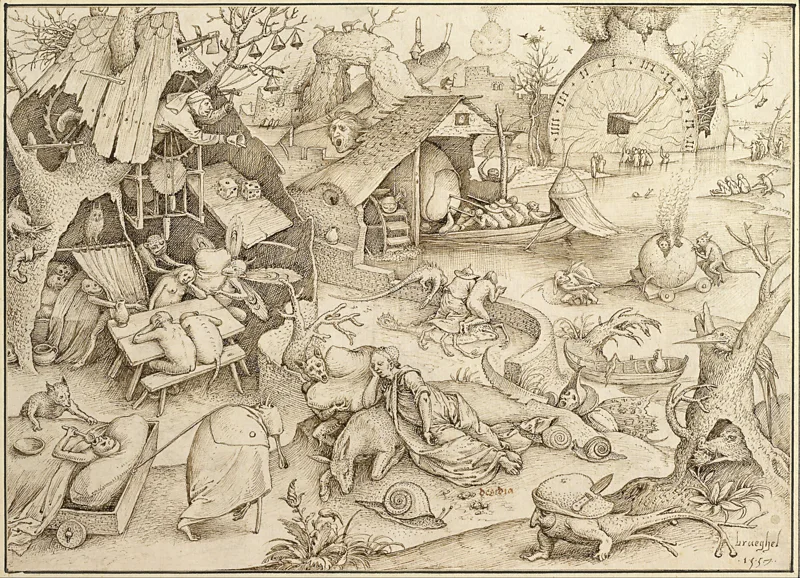
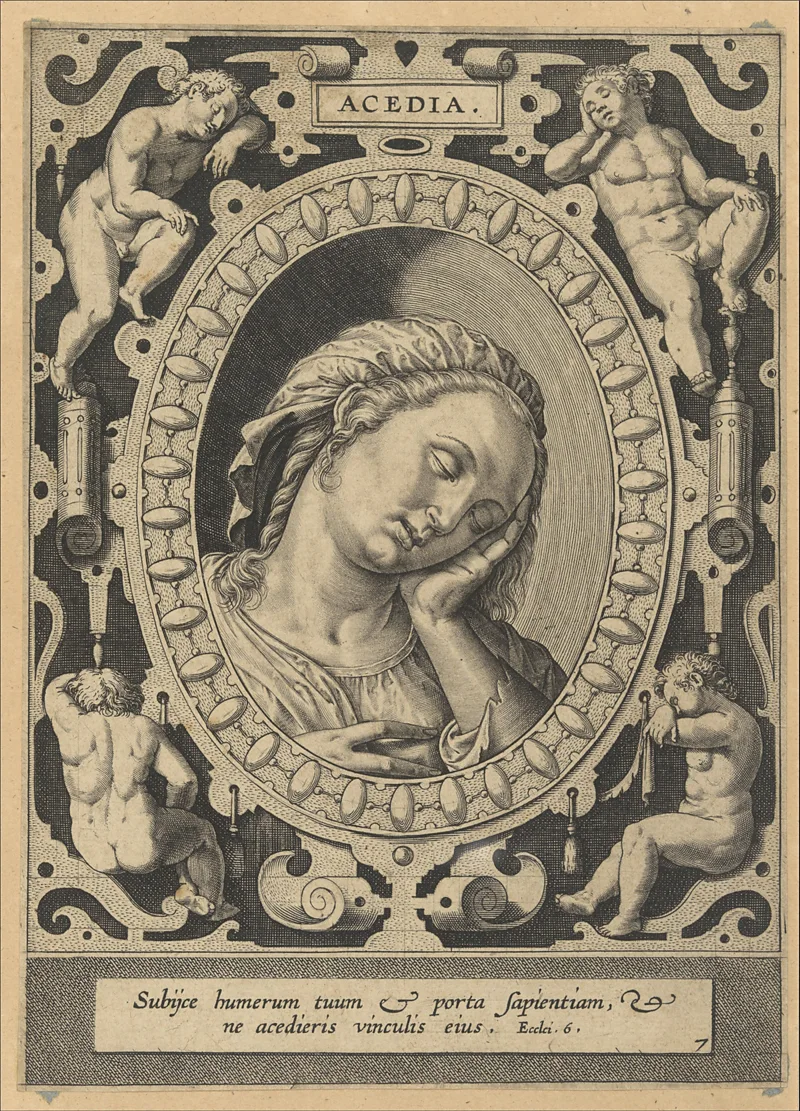
In the fifth century, the Christian thinker John Cassian wrote about people overwhelmed by weariness, hopelessness, brain fog and a desire to escape their work. His term for this condition was acedia, later associated with the deadly sin of sloth.

Acedia was more than laziness
Historian Peter Jones argues that medieval thinkers understood acedia not as simple idleness, but as a paralysis of care—an emotional void in which activities that once provided meaning no longer bring satisfaction.

Accounts from the period describe people feeling trapped by futile work, unable to concentrate and drawn toward sleep or empty distractions. Cultural historians have compared this cycle with the way exhausted people today may turn to comfort eating or constant scrolling without recovering their energy.
Acceptance before action
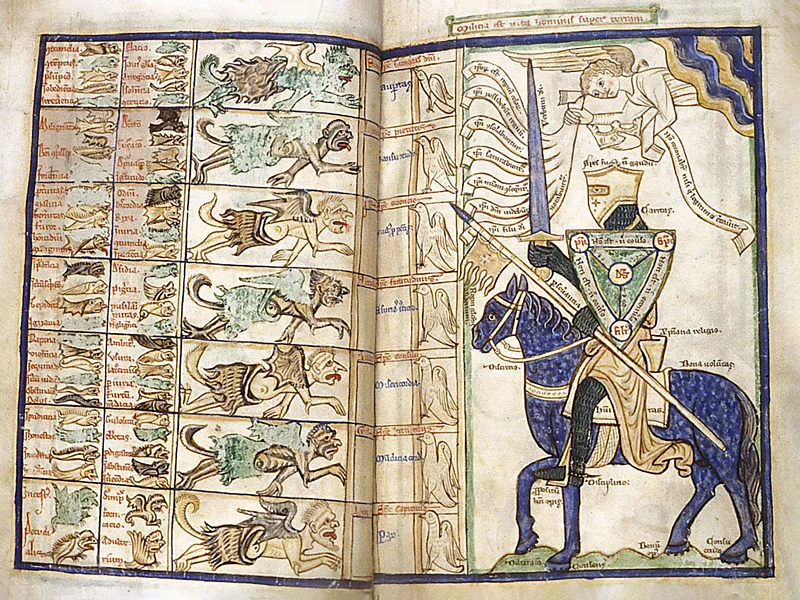
Some medieval texts advised sufferers to stop fighting every painful feeling. One manuscript used the image of an enemy that could be controlled but never completely expelled—a lesson in learning to live alongside difficult emotions.
This resembles modern Acceptance and Commitment Therapy, which encourages people to acknowledge uncomfortable thoughts while choosing actions guided by their values.
Purpose, support and self-forgiveness
The medieval writer William Peraldus suggested finding a “strong mountain”—a higher purpose, person or belief capable of providing support through a difficult period. His image of a thorn-covered field that may eventually bear fruit urged patience rather than immediate self-judgment.

Bernard of Clairvaux compared living well to running across rough ground: anyone travelling far enough will eventually stumble. The lesson was self-forgiveness and the recognition that periods of directionlessness are universal.
Medieval thought cannot replace professional mental-health care, but its emphasis on acceptance, meaningful values, supportive relationships and compassion offers a surprisingly familiar framework for recovering from exhaustion.
Source: Feature by David Robson, published by BBC Culture.