Every night, trillions of small marine animals rise hundreds of metres from the ocean’s twilight zone to feed near the surface, creating the largest animal migration on Earth.
The movement—known as diel vertical migration—begins as darkness protects zooplankton, fish and squid from visual predators. At sunrise, the animals descend again to deeper water, where sunlight fades and many species produce their own bioluminescent glow.
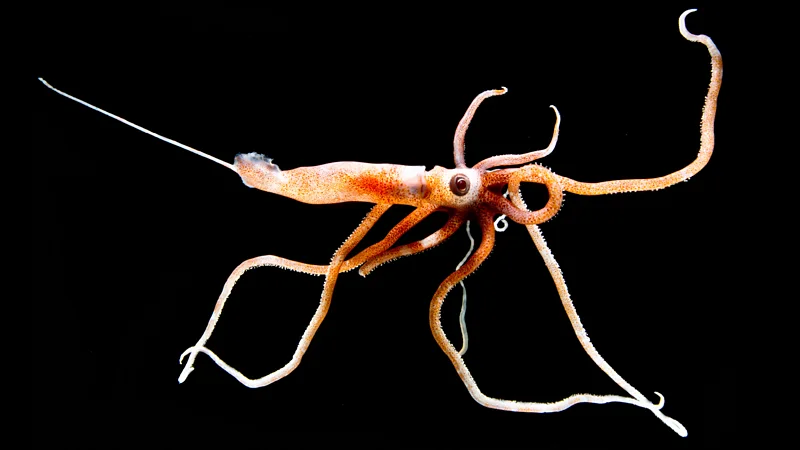
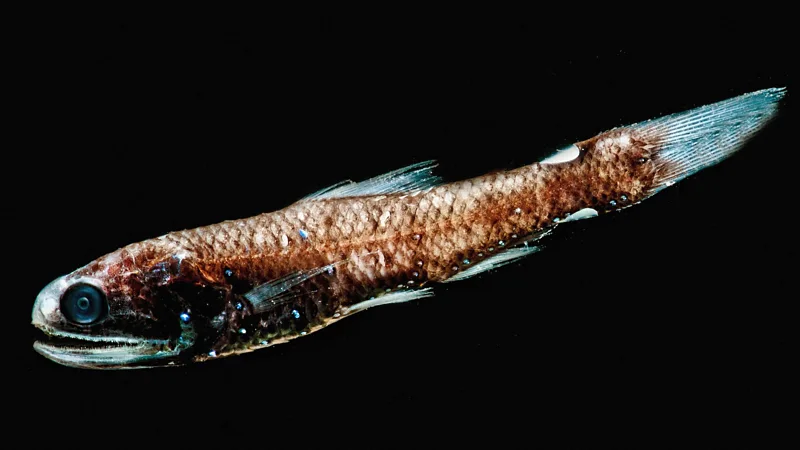
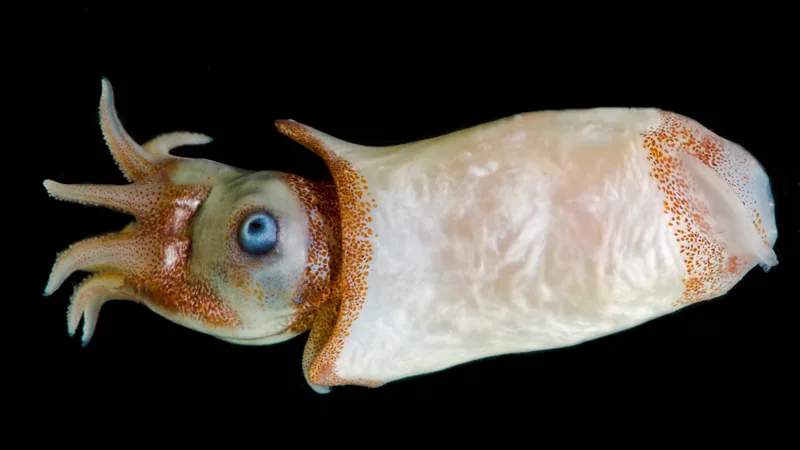
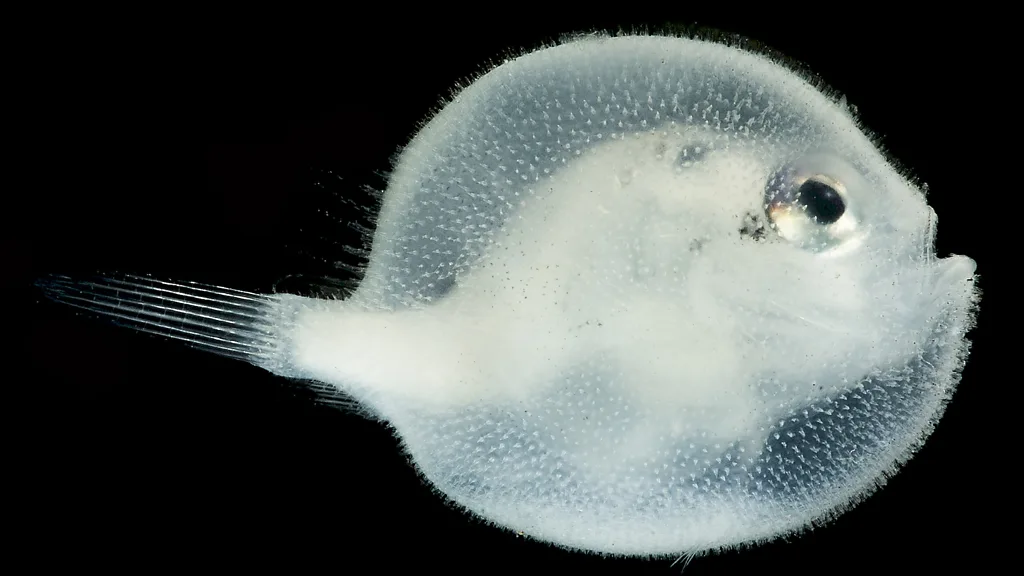
The mesopelagic zone stretches from roughly 200 metres to 1,000 metres below the surface and may contain about 95% of the world’s fish biomass. Scientists estimate that the organisms taking part in the nightly migration have a combined biomass of about 10 billion tonnes.
The migration is also important for the climate. Animals feed on carbon-rich organic matter near the surface, then carry it into deeper water as they descend. Researchers estimate this biological transport could move as much as six gigatonnes of carbon into the deep ocean each year, where some of it may remain for centuries or millennia.
Scientists warn that warming seas, declining sea ice and potential expansion of mesopelagic fishing could disrupt the migration and the food webs it supports. The International Union for Conservation of Nature has called for caution on new fisheries until researchers better understand this vast ecosystem.
Source: BBC Future, with research commentary from marine scientists Laura Hobbs and Jon Copley. Photos supplied by the user from the referenced BBC feature.